Childcare CFO / Buying a center

Nine things to check before you buy a center.

The profit and loss statement tells you what the center made last year. It does not tell you whether it will keep making that after you own it. Those are different questions.

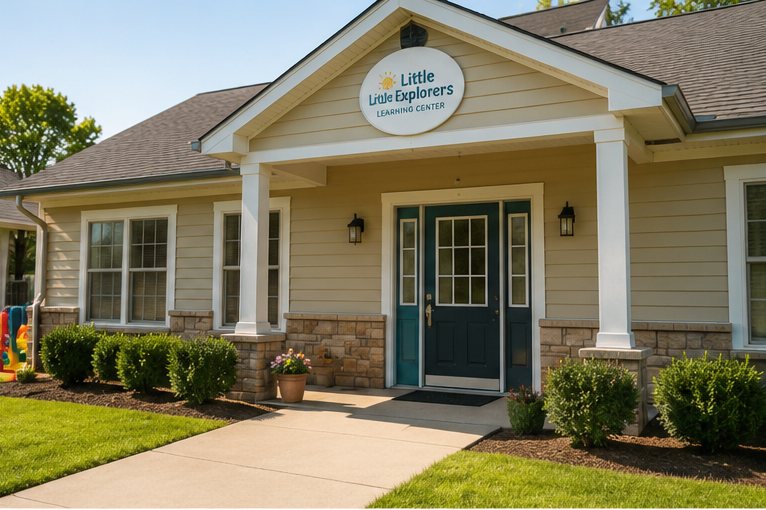
The exterior of a small childcare center on a spring morning

You found a center for sale and the broker sent you a profit and loss statement. That is a good place to start and a bad place to stop.

A childcare center is not like most businesses. You can only take as many kids as your license allows. You have to keep a certain number of adults per child, and that is the law, not a choice. Your families change every year. And whether the money is coming from families or from a state program, it often arrives after you already did the work. Almost none of that shows up on that statement, and all of it decides whether the price is fair.

The single most useful question: how many kids is it licensed for, how many are actually there, and why is there a gap?

If the answer is "nobody ever advertised," you are buying empty spots cheap and you can fill them. If the answer is "we cannot find anyone to work the baby room," those spots are not empty, they are closed, and you are paying full price for them. Same gap. Opposite deal.

The checklist

Nine things, and what it costs you if you skip one.

Every one of these has changed a price or ended a deal. None of them appear on the income statement.

Before you sign anything
CheckWhat you are looking forWhat it costs you
Licensed vs. enrolledHow many kids the license allows, against how many are actually there. Ask why there is a gap.Paying for spots that cannot be filled
The owner's jobDoes the seller work there. What would it cost to hire someone to do what she does.Profit is smaller than the statement says
Where the money comes fromHow much is families paying directly versus one state program, and whether people pay on time.A big piece of income that can leave at once
Roof, HVAC, playgroundActual condition. Go look. Do not read the paperwork.A large repair bill in your first year
The licenseDoes it transfer to you, or must you apply for your own.A closed building you are still paying for
Teacher tenureHow long staff have been there, and how many hold the required credentials.Not enough adults per child, so kids go home
The leaseHow much rent, how many years left, and whether it goes up.A rent jump that eats the whole profit
What others chargeCall nearby centers and ask their weekly rates.No room to raise prices later
Monthly enrollmentTwo full years, month by month. Not yearly totals.A slow decline hidden in a flat year
Going through a center's financial records, binder by binder

Expect the books to need work

Most centers this size keep simple records. That is normal and it does not mean anyone is hiding anything. What it means is that the number on the statement and the real number are not the same, and somebody has to go find the difference.

On a recent purchase, that meant going through about twenty-five hundred separate transactions across twenty months and making every single month balance to the penny. That work is not a formality. It is the only way you find out what you are actually buying, and it turned up timing that made the recent months look better than the business really was.

Plan for it. If the records turn out clean enough to skip it, take that as a good sign about how the rest of the place is run.

Decide now what would make you walk

Pick the number before you fall in love with the building. Write it down. Something like: if enrollment in June comes in under this figure, we either pay less or we stop.

That one habit is worth more than any analysis, because by month three you will have spent money and time and told people about it, and walking away feels like losing. Deciding in advance turns that into one clear decision instead of a slow slide.

Next

Score the center you are looking at.

Answer ten questions about the center and get a score out of a hundred, plus a plain list of what is weak about the deal. Free, takes about three minutes, nothing gets sent anywhere unless you ask for it.

Questions

Buying a center, answered.

What should I check before buying a childcare center?

Nine things, and none of them are on the profit and loss statement. How many kids it is licensed for versus how many are actually enrolled, and why there is a gap. What it will cost to hire someone to do the job the current owner does. Where the tuition money comes from, and whether it arrives on time. When the roof, heating, and playground were last replaced. Whether the license transfers to you or you have to apply for your own. How long the teachers have been there. What the rent is and how long it is locked in. What other centers nearby charge. And enrollment month by month for two years, not yearly totals.

How much is a childcare center worth?

Most small centers sell for a multiple of the yearly profit, after you subtract what it would cost to pay someone to do the owner's job. But the multiple itself moves a lot. A center that stays full, keeps its teachers, has a long lease, and runs without the owner in the building is worth considerably more than one with the same revenue that does not. Buyers are paying for what keeps working after the sale, not for last year's number.

What does the seller's salary have to do with the price?

Everything, and it catches most buyers by surprise. If the owner also works as the director and pays herself thirty thousand dollars, the profit on the statement looks large. But you are not going to run the building yourself. You will hire a director, and a good one costs sixty to seventy thousand. That difference comes straight out of the profit you are buying. Nobody is being dishonest. Her salary and your costs are just different numbers.

The books are a mess. Is that a red flag?

Usually not. Most centers this size keep simple records, and that is normal rather than suspicious. What it does mean is that the number on the statement and the real number are not the same, and somebody has to go find the difference before you can trust either one. Budget time and money for that. If the records are clean enough that you can skip it, that is a good sign about how the whole place is run.

How long does it take to check out a center before buying?

Four to eight weeks for the financial side if the records are reasonable, longer if they need to be rebuilt from scratch. Licensing and loan approval happen at the same time and often take longer. Starting the money questions early is what keeps everything else from getting stuck waiting on answers nobody has.

Prefer to listen?

The nine things, walked through.

Everything on this page, end to end. About five minutes.